API strategy
APIScout Team
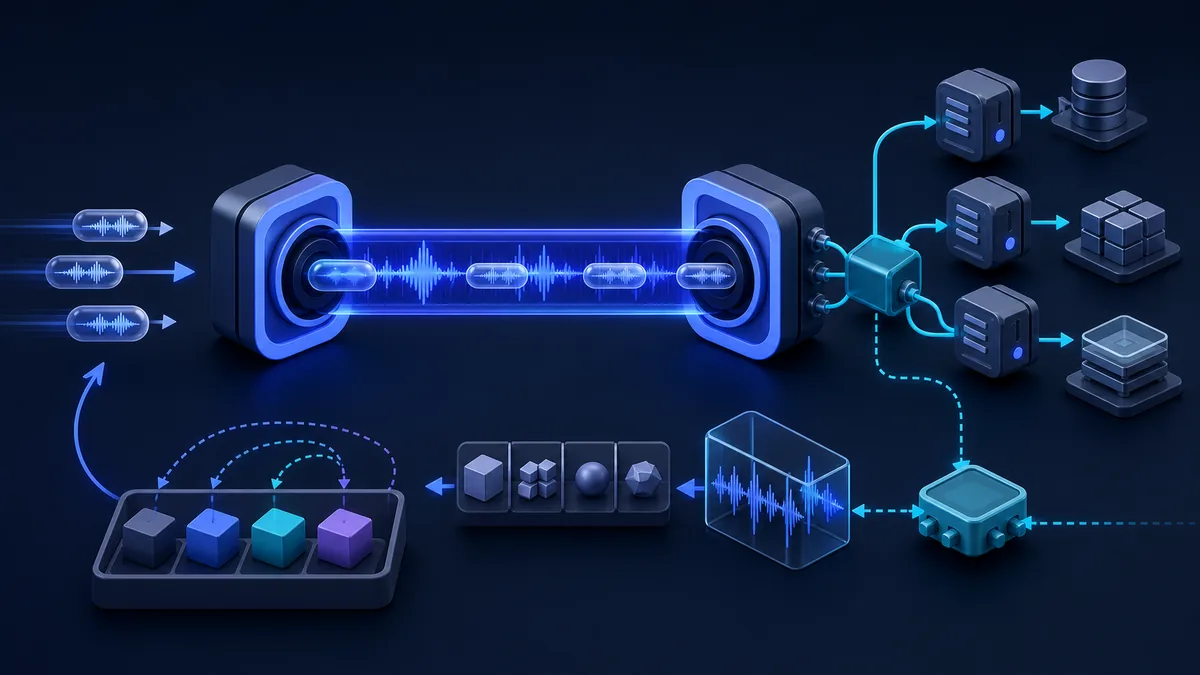
WebRTC API Guide for AI Voice Apps
Evaluate WebRTC API Guide for AI Voice Apps for production API work, including integration paths, limits, pricing triggers, reliability, and migration risk.
webrtcvoiceapps
Read guide


Practical tutorials, provider comparisons, and integration strategy for teams choosing APIs with fewer rebuilds.
456
published guides
8
active topics
Evaluate WebRTC API Guide for AI Voice Apps for production API work, including integration paths, limits, pricing triggers, reliability, and migration risk.

Compare Braintrust, LangSmith, Langfuse, Patronus, Promptfoo, and Confident AI on test datasets, online evals, and human review for 2026.

Compare Better Auth, NextAuth, and Clerk for 2026 web auth — self-hosting, plugin ecosystem, B2B features, and which fits your stack.

Bland.ai, Vapi, and Retell compared for voice agent APIs: latency, telephony stack, transfers, and fastest path to outbound calling.

Cal.com, Calendly, and SavvyCal compared for embedded scheduling: API surface, white-labeling, calendar support, and webhooks.

Composio, Arcade, and Pica compared for AI agent tool APIs: SaaS coverage, auth model, tool quality, latency, and production fit.
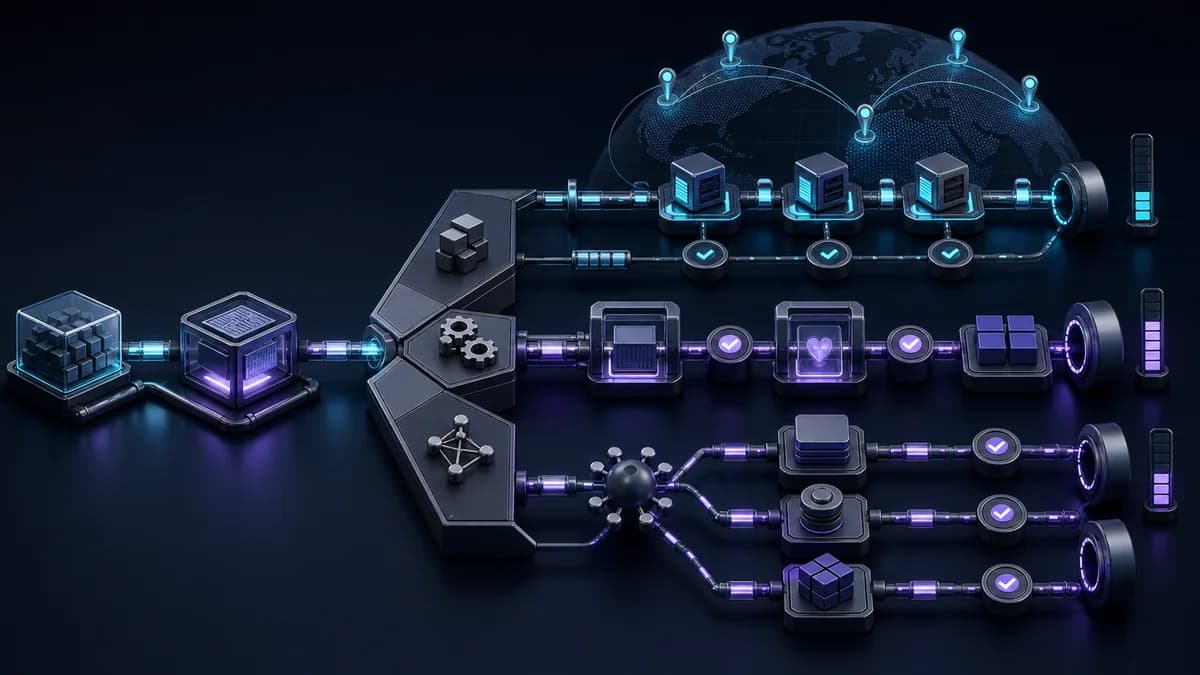
Compare Fly.io, Railway, and Render deployment APIs, automation models, region controls, health checks, and usage-based pricing triggers.

Inkeep, Kapa.ai, and Mendable compared for docs AI search: answer quality, ingestion, citations, developer support, and cost.

Compare the Linear GraphQL API, Jira Cloud REST API, and Asana REST API for engineering automation, custom dashboards, and AI agents in 2026.

Modal, Beam, and RunPod compared for serverless GPU inference: cold starts, pricing, autoscaling, deployment, and AI workload fit.

Zep, Mem0, and Letta compared for agent memory APIs: graph vs vector vs stateful memory, retrieval quality, latency, and production fit.

Better Stack, Statuspage, and Instatus all handle incident communication, but they fit different needs: integrated ops, enterprise comms, and fast status pages.

Browserbase, Steel, and Hyperbrowser all sell browsers for automation and agents, but they differ on abstraction, openness, and what “agent-ready” really means.

LaunchDarkly, Statsig, and GrowthBook are three different bets on feature delivery. Compare governance, experimentation, and open-source control in 2026.

Metronome, Orb, and Lago all turn usage events into invoices, but they target different scales and operating models. Here is the practical 2026 comparison.

Compare Mintlify, ReadMe, and Fern for API docs in 2026: docs-as-product, interactive developer portal, or schema-driven docs plus SDK workflow.
Step-by-step checklist: auth setup, rate limit handling, error codes, SDK evaluation, and pricing comparison for 50+ APIs. Used by 200+ developers.
Join 200+ developers. Unsubscribe in one click.